Nine Hook Patterns That Still Work on TikTok in 2026
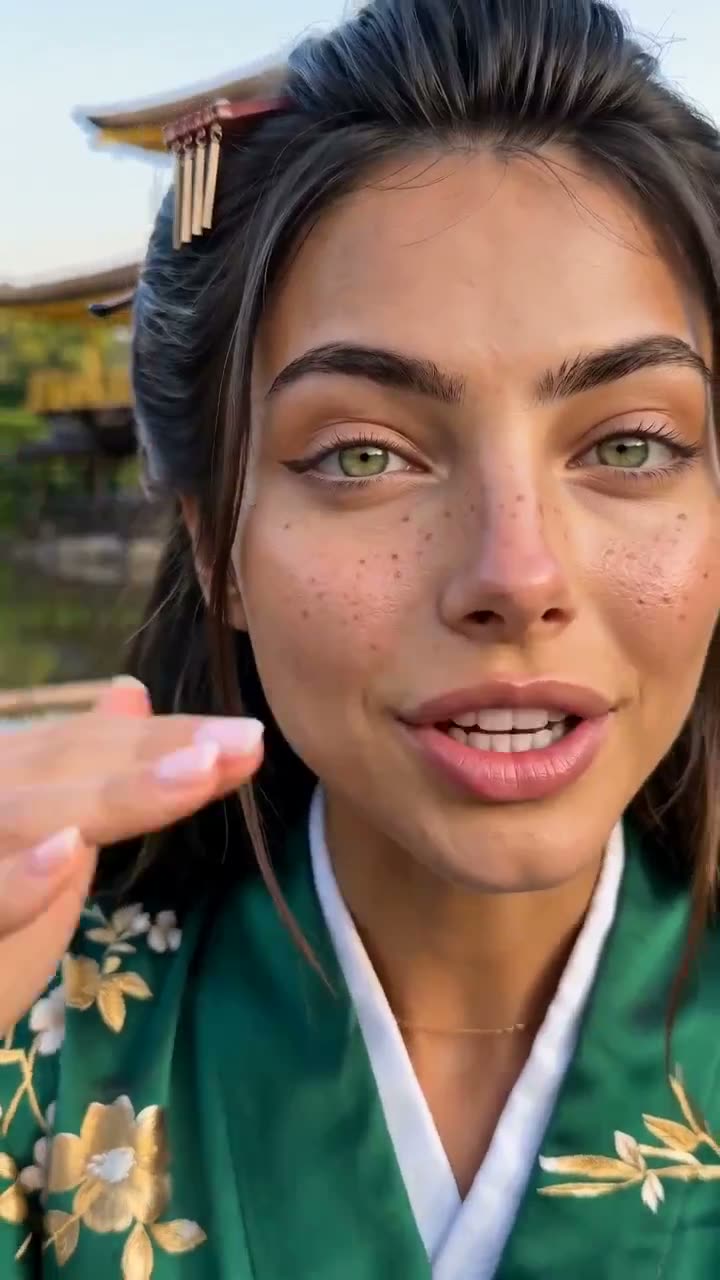
A hook is not a sentence you write once. It is a shape you fill in. Here are the shapes that still earn attention, and two that have worn out.
The nine
- Mid-sentence entry. "— and that's when I realised I'd been doing it wrong for two years." The viewer arrives late and has to stay to catch up.
- The specific number. "Forty-one people asked me this last week." Specific numbers read as reporting. Round numbers read as marketing.
- The visible contradiction. Show something that should not be true, then explain it. The image does the work; the words only need to not get in the way.
- The confession. "I've been lying about this." Costly-to-fake honesty buys enormous patience.
- Direct address to one group. "If you edit your own videos, stop." Exclusion is engagement — everyone else scrolls, and that is fine.
- The undercut. Set up an expectation in three words and break it in the fourth.
- The process open. Start in the middle of doing the thing. No introduction, no setup, hands already moving.
- The stakes-first question. Not "do you want better videos" — "how much did your last video cost you to make?"
- The visual pun. Rare, hard, and the highest ceiling of the nine. When the image itself is the joke, people watch it twice.
The two that have stopped working
"Wait for it." It was a promise, and it got spent. It now reads as an admission that the first five seconds are not worth watching.
"POV:" Not dead, but exhausted as an opener. It survives when the POV framing is genuinely doing work — when the perspective is the point — and fails when it is decoration on a normal video.
Writing hooks for a generator
If a model is producing the shot, the hook has to be describable as a frame, not just as a line. "Mid-sentence entry" means nothing to a video model. "Close on a woman at a kitchen counter, already speaking, hands moving" does.
Write the line for the viewer and the frame for the model, and make sure they are the same moment.
How many to test
Four minimum, against identical body content. Hooks are the cheapest thing to vary and the biggest source of variance in the result — the two properties that make something worth testing.
When the video is an ad, not a post
Everything on this page assumes you are making the creative. If the next step is running it — budget, audiences, and knowing which cut actually returned money — that is a different tool. KatAds takes the finished asset and handles the campaign side: which variant is spending, which one is converting, and when to stop the one that is not.
The reason to keep them separate: a good clip and a good campaign fail for different reasons. A hook that wins in the timeline can still lose money at the wrong audience, and no amount of re-generating fixes that.