UGC Ads That Convert: Structure, Not Luck
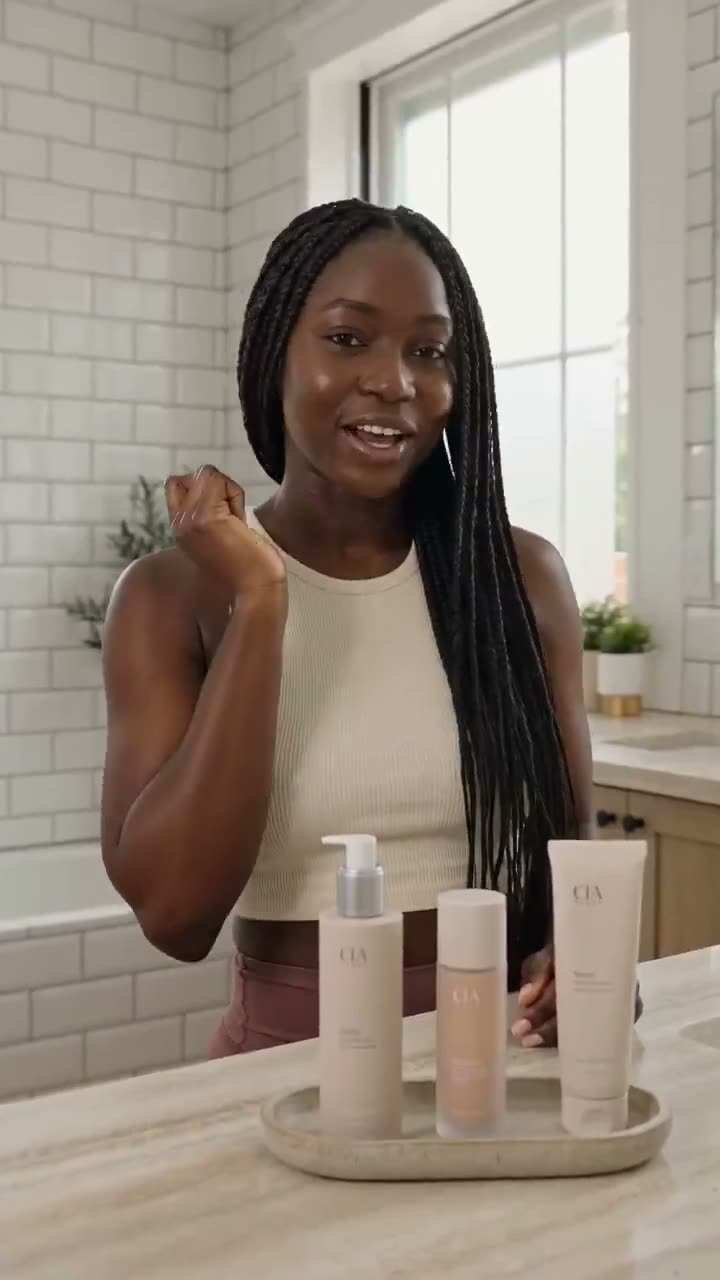
Most AI-generated UGC fails for a reason that has nothing to do with the generation: it is structured like an advert, and UGC does not look like an advert. That is the entire point of the format.
The first three seconds decide everything
Not the first frame — the first three seconds. A frame stops a scroll; three seconds decide whether someone stays. What holds attention in that window is almost always a person starting a sentence that is not finished.
Openings that work share a shape: they begin mid-thought, as if you caught someone already talking. "So I was about to return this —" holds. "Introducing our new —" does not. The first is a story you have walked into. The second is a thing you have been handed.
The second line is where most ads die
Everyone optimises the hook. Almost nobody optimises the line after it. The hook buys you three seconds; the second line has to justify them, and if it turns into a product description the viewer leaves at exactly the moment your analytics will tell you the hook "worked".
The second line should raise the stakes of the first, not resolve them. If line one is "I was about to return this", line two is "and then I read the instructions properly" — not "it's made from recycled aluminium".
Structure that holds up
- Cold open (0–3s): a person, mid-sentence, one clear face.
- Complication (3–8s): the reason this is worth hearing.
- Turn (8–15s): the product enters, as the answer to the complication — not as the subject.
- Proof (15–25s): something specific. A number, a before, a demonstration.
- Ask (25–30s): one action, stated plainly.
Note where the product appears. Not at second zero. If the product is the first thing on screen, the viewer has classified the video as an ad before your hook has a chance.
What breaks when it is generated
The face changes. Nothing destroys the illusion faster. If your presenter's jawline shifts between shots, the viewer will not be able to say what is wrong, but they will not believe the person either. Lock the face with a reference image, and use the same reference for every shot in the set.
The voice does not match the face. A voice that is too polished on a casual face reads as an ad instantly. Match the register to the setting.
The hands. If the product is held, hands are where generated video most often gives itself away. Frame so the product is set down, picked up from off-screen, or held below the frame edge. A shot that avoids the hard problem beats one that attempts it and fails.
Test in fours, not in ones
Generate four hooks against the same body. Ship all four. The variance between hooks on identical content is routinely larger than the variance between two entirely different concepts — which means hook testing is the cheapest experiment you can run.
When the video is an ad, not a post
Everything on this page assumes you are making the creative. If the next step is running it — budget, audiences, and knowing which cut actually returned money — that is a different tool. KatAds takes the finished asset and handles the campaign side: which variant is spending, which one is converting, and when to stop the one that is not.
The reason to keep them separate: a good clip and a good campaign fail for different reasons. A hook that wins in the timeline can still lose money at the wrong audience, and no amount of re-generating fixes that.